 Check Out Our New Blends!
Sub-Total: $0.00
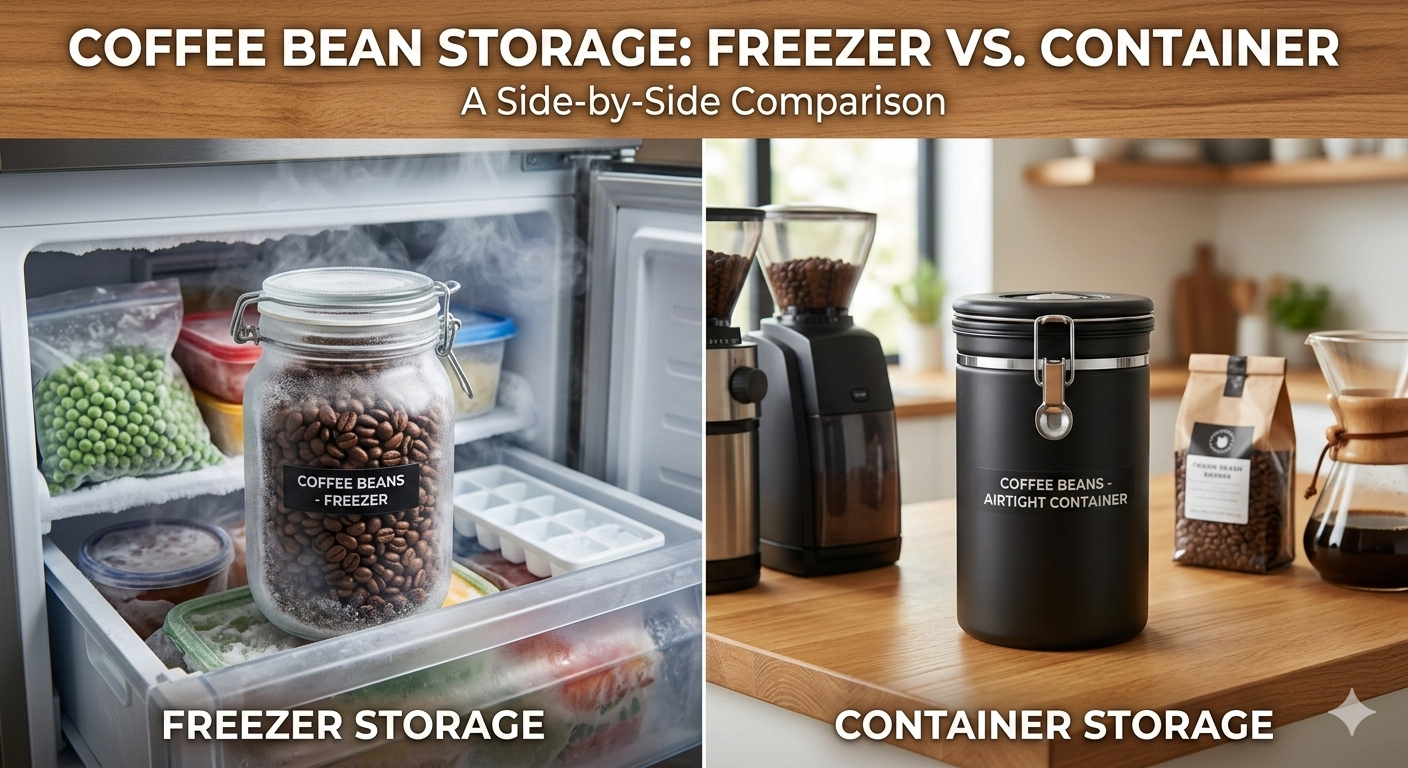
How to Store Your Coffee Beans. Freezer vs. Container
Coffee is more than just a morning ritual; it’s an experience that many enthusiasts cherish. The aroma, flavor, and overall enjoyment of coffee can be significantly affected by how the beans are stored. In this comprehensive guide, we will explore the best methods for storing coffee beans, focusing on the debate between using a freezer versus a storage container. Whether you’re a casual drinker or a dedicated coffee aficionado, understanding proper storage techniques will help you preserve the quality and flavor of your favorite brew.
The Importance of Proper Coffee Storage
Proper coffee storage is crucial for maintaining the rich flavors and aromas that make coffee so delightful. Coffee beans are sensitive to several external factors, such as air, moisture, light, and temperature. When exposed to these elements, coffee beans can lose their freshness and flavor profile quickly. This is why understanding the best storage techniques is essential for every coffee lover.
The right storage method can prolong the life of your coffee beans, ensuring that each cup you make is as flavorful as the last. Improper storage can lead to stale coffee, which is often described as flat or lifeless. Therefore, knowing how to store your coffee is not just beneficial; it’s imperative for a truly enjoyable coffee experience.
Understanding Coffee Beans
Types of Coffee Beans
There are primarily four types of coffee beans: Arabica, Robusta, Liberica, and Excelsa. Arabica beans are known for their smooth, complex flavor and make up the majority of the world’s coffee production. Robusta beans, on the other hand, have a stronger, more bitter flavor and contain more caffeine. Liberica and Excelsa beans are less common and offer unique tastes that some coffee enthusiasts appreciate.
Each of these types has different storage needs, but the general principles of keeping them fresh remain the same. Understanding the type of beans you are working with can also help you make informed decisions about how best to store them.
How Freshness Affects Flavor
The freshness of coffee beans directly impacts the flavor of your brew. Freshly roasted beans have the highest levels of essential oils, which contribute to the aroma and taste. Over time, these oils can oxidize, leading to a dull and less flavorful cup of coffee. The ideal time to consume coffee is within two to four weeks of roasting, so storage methods that keep the beans fresh during this period are critical.
Several factors can influence how quickly coffee beans lose their freshness. Exposure to air is one of the most significant factors; once the bag is opened, the beans start to oxidize. Additionally, high humidity can introduce moisture that leads to mold or staleness. Understanding these factors is essential for every coffee lover looking to enjoy their drink to the fullest.
Storage Options Overview
Common Storage Methods
When it comes to storing coffee beans, there are several options available. The most common methods include keeping them in their original bag, using airtight containers, vacuum-sealing, or freezing. Each method has its own advantages and disadvantages, depending on your consumption habits and preferences.
Choosing the right storage method can enhance your coffee experience. For example, if you buy coffee in bulk, utilizing an airtight container might be the best choice. On the other hand, if you want to extend the life of your beans, freezing might be worth considering.
Freezer vs. Container
The debate between storing coffee beans in the freezer or a container is ongoing. Advocates of freezing argue that it can effectively prolong the shelf life by slowing down the oxidation process. However, critics warn that moisture can easily enter the beans if not sealed properly, leading to potential flavor compromise. On the other hand, containers provide a more practical solution for daily use but may not keep the beans as fresh for extended periods.
Ultimately, the best choice will depend on your individual coffee consumption habits. Regular drinkers may prefer container storage for convenience, while those who purchase large quantities may find freezing more beneficial.
Storing Coffee Beans in the Freezer
Benefits of Freezing Coffee Beans
Freezing coffee beans offers several benefits. The primary advantage is that freezing significantly slows down oxidation, which can help retain the beans’ flavor for months. When done correctly, the freezer can serve as an excellent long-term storage solution, especially if you’ve purchased coffee in bulk.
Moreover, freezing coffee can also help preserve the essential oils that contribute to flavor. By preventing exposure to air and moisture, you can maintain the beans’ freshness until you’re ready to use them.
How to Properly Freeze Coffee Beans
To freeze coffee beans properly, follow these steps: First, divide your coffee into smaller portions, as repeated thawing and refreezing can degrade quality. Use airtight bags or vacuum-sealed containers to prevent air and moisture from getting in. Label the bags with the date of freezing to keep track of freshness.
When you’re ready to use the beans, remove only the amount you need and return the rest to the freezer immediately. This minimizes the exposure of the remaining beans to warmer temperatures and helps maintain their quality.
Best Practices for Thawing
Thawing coffee beans is just as important as freezing them. Avoid thawing the beans in the microwave or exposing them to heat, as this can alter their flavor. Instead, take the beans out of the freezer and let them sit at room temperature in their sealed container for several hours before use. This slow thawing process helps maintain the integrity of the coffee.
Once thawed, use the beans within a week for optimal freshness. Remember that while freezing can extend the shelf life of the beans, it’s still best to consume them as soon as possible for the best flavor experience.
Storing Coffee Beans in a Container
Choosing the Right Container
When opting for container storage, the type of container you choose plays a crucial role. Airtight, opaque containers are the best choice, as they prevent air and light from degrading the quality of the beans. Glass or ceramic containers with tight-fitting lids are excellent options, while plastic can sometimes allow for air seepage, depending on the quality.
It’s also essential to avoid clear containers, as light can rapidly degrade coffee. Look for containers made specifically for coffee storage, which often come equipped with features designed to maintain freshness, such as CO2 valves that allow gases to escape without letting air in.
Optimal Conditions for Storage
In addition to choosing the right container, the environment in which you store your coffee beans is also vital. Keep them in a cool, dark place, away from heat sources like ovens and direct sunlight. A pantry shelf or cabinet is a great option for storage. Maintaining a stable temperature will help prevent moisture buildup and keep the beans fresh for longer.
Be mindful of humidity levels as well. A dry environment is optimal for coffee storage. If you live in a particularly humid area, consider using desiccants in your storage container to absorb excess moisture. This precaution helps keep the beans dry and flavorful.
How to Keep Beans Fresh in a Container
To maximize freshness in a container, avoid opening it frequently. Each time you open the container, air enters, which accelerates the oxidation process. Instead, buy smaller quantities of coffee that you can consume quickly. This practice not only ensures you’re enjoying fresh coffee but also minimizes the need for constant exposure to air.
Additionally, keep the container away from strong-smelling foods or substances, as coffee can easily absorb odors. Proper care in choosing both the container and storage location will lead to a more enjoyable coffee experience.
Comparing Freezer and Container Methods
Flavor Preservation
When it comes to flavor preservation, both the freezer and container methods have their merits. Freezing can significantly extend the lifespan of coffee beans, allowing you to enjoy fresh-tasting coffee even after some time. However, if not done correctly, freezing can introduce moisture, which can negatively impact flavor.
On the other hand, storing in a container allows for easier access and is excellent for daily coffee drinkers. It may not preserve the beans as long as freezing, but with the right conditions, it can maintain freshness for a reasonable time, making it a practical choice for many.
Convenience and Accessibility
Convenience is another factor to consider in the freezer versus container debate. For those who drink coffee regularly, having beans readily available in a container is often more practical. You can quickly grab what you need without waiting for the beans to thaw.
However, for those who buy coffee in bulk or enjoy trying different varieties, freezing offers a way to keep coffee fresh without the worry of consuming it all quickly. Ultimately, it comes down to individual preferences and how often you brew coffee.
Tips for Coffee Lovers
Experimenting with Different Methods
Every coffee lover has unique tastes and brewing habits. Don’t be afraid to experiment with different storage methods to find what works best for you. Try freezing some beans while storing others in a container, and take notes on the flavor differences you observe over time. This trial-and-error approach will help you discover your preference and may lead to improved coffee quality.
Consider factors such as the type of coffee beans you enjoy, how often you drink coffee, and your kitchen environment. Tailoring your storage method to your habits will enhance your overall coffee experience.
Understanding Your Coffee Preferences
Understanding your coffee preferences is crucial in determining how you should store your beans. If you favor a specific roast or brand, knowing how they typically taste fresh can aid in your storage decisions. Some coffees are better enjoyed fresh, while others may have a longer shelf life without significant flavor loss.
By taking the time to learn about your coffee preferences and experimenting with storage methods, you can ensure that every cup you brew lives up to its full potential.
Conclusion
In summary, storing coffee beans correctly is essential for preserving their flavor and aroma. Whether you choose to freeze your beans or store them in an airtight container, understanding the pros and cons of each method will help you enjoy your coffee to the fullest. Experiment with both approaches to discover what works best for your individual needs.
As you refine your coffee storage techniques, remember the importance of fresh beans and the impact of environmental factors. With the right methods, you can ensure that each cup is as delightful as the last.
FAQs
Can I freeze coffee beans in their original bag?
It’s best to transfer beans to an airtight container or freezer bag to prevent moisture and air from compromising their quality.
How long can I store coffee beans in the freezer?
Properly stored coffee beans can last up to six months in the freezer without losing significant flavor.
What is the best way to store coffee beans short-term?
For short-term storage, keep beans in a sealed, opaque container in a cool, dark place.
Is it okay to use glass containers for coffee storage?
Yes, glass containers are excellent for storage as long as they are airtight and kept away from light.
How can I tell if my coffee beans are stale?
Stale coffee beans may have a flat aroma and lack the vibrant flavors that fresh beans possess. They might also appear dry and lack the oils typically present in fresh beans.