 Check Out Our New Blends!
Sub-Total: $0.00
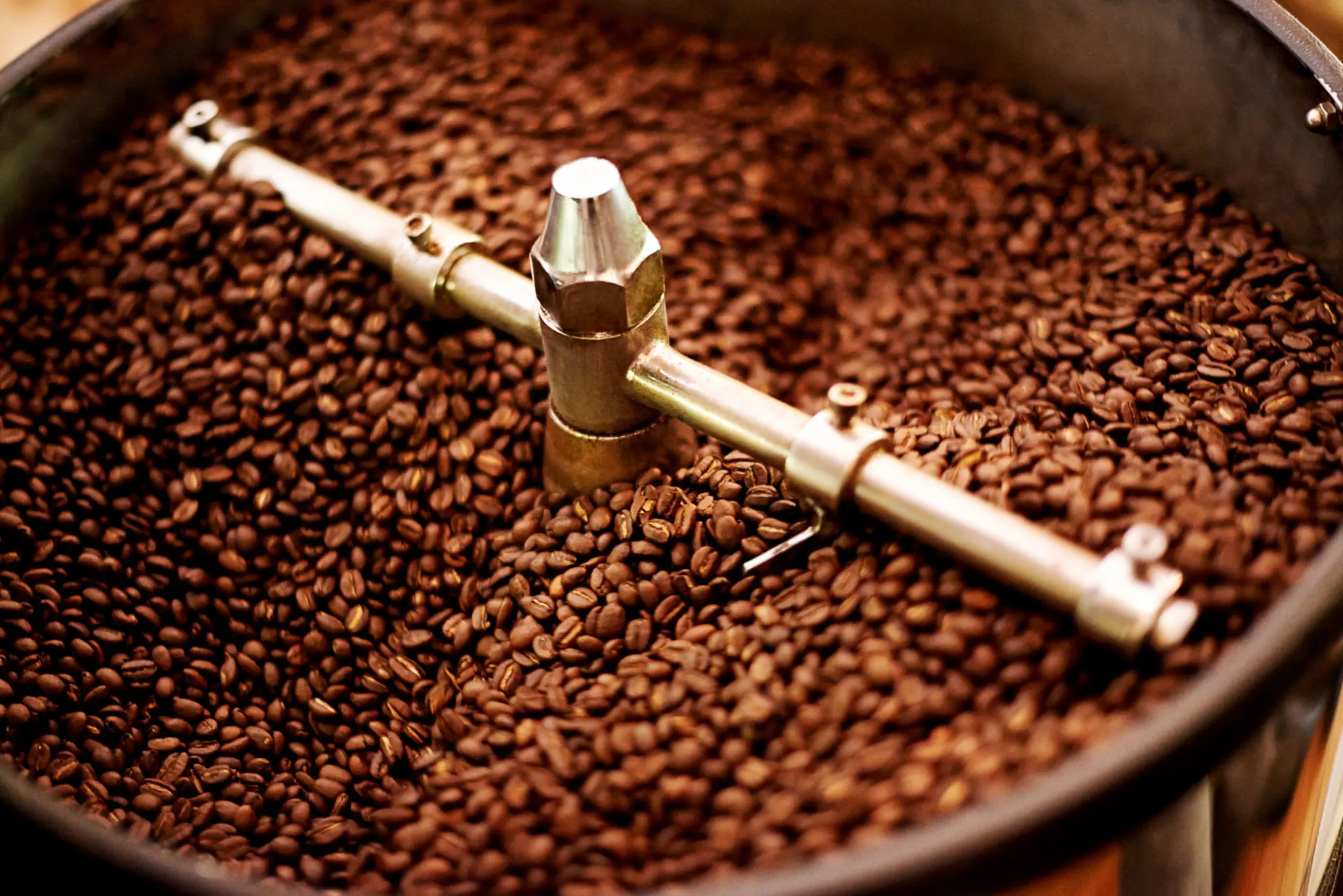
Arabica vs. Robusta: What Gives?
When it comes to coffee, the world is largely divided into two main types of beans: Arabica and Robusta. Each has its own unique characteristics, flavor profiles, and cultivation preferences. For anyone who loves a good cup of coffee, understanding the differences between these two bean types can enhance your coffee experience. Let’s explore the distinct traits of Arabica and Robusta beans, their growing conditions, price differences, and what makes each unique.
Flavor Profiles
Arabica Coffee Beans
Arabica beans are known for their smooth, complex flavors, often featuring fruity, floral, and sweet notes. They tend to have a higher acidity, which brings out a lighter, often more nuanced taste. This makes Arabica the preferred choice for coffee enthusiasts and specialty coffee drinkers. The subtlety in flavor can vary greatly depending on the origin; for instance, beans from Ethiopia might have berry notes, while those from Colombia can be more chocolatey.
Robusta Coffee Beans
In contrast, Robusta beans generally have a stronger, bolder flavor. They are more bitter and earthy compared to Arabica, with notes of nuts and grains. A notable characteristic of Robusta is its higher caffeine content, which contributes to its robust flavor. This makes Robusta an excellent choice for espresso blends, as it creates a better crema and adds body to the final cup.
Growing Conditions
Arabica
Arabica coffee thrives in higher altitudes and cooler climates, typically at elevations between 2,000 to 6,000 feet. The ideal temperature range for growing Arabica is between 60°F to 70°F. It is mainly grown in regions with a mild climate, such as Central and South America, East Africa, and parts of Asia. Countries like Colombia, Brazil, and Ethiopia are renowned for producing high-quality Arabica beans.
Robusta
Robusta coffee, on the other hand, is hardier and more resilient to diseases and pests. It can be grown at lower altitudes in hotter climates, typically ranging from sea level to about 3,000 feet. The preferred temperature for growing Robusta is between 75°F to 85°F. As a result, it is more commonly grown in Vietnam, Indonesia, and certain regions of Africa, where the environment is conducive to its growth. Vietnam is currently the largest producer of Robusta beans globally.
Price Differences
When it comes to pricing, there is a significant difference between Arabica and Robusta beans. Generally, Arabica beans are more expensive, often costing about 1.5 to 2.5 times that of Robusta beans. This price difference can be attributed to the growing conditions and the care involved in cultivating Arabica. The labor-intensive process of harvesting Arabica, which often requires hand-picking of ripe cherries, adds to its cost. Additionally, because Arabica trees yield fewer cherries than Robusta trees, the supply is more limited, further inflating the price.
Robusta beans, being easier to cultivate and more resilient, are typically more affordable. They are often used in instant coffee and lower-cost coffee blends, making them a popular choice for mass-market coffee products.
Conclusion
In the world of coffee, both Arabica and Robusta beans offer unique experiences for coffee lovers. Arabica’s complex and nuanced flavor appeals to those who appreciate a lighter, aromatic cup, while Robusta’s bold and robust characteristics make it a favorite for those who enjoy strong coffee or espressos.
Whether you choose Arabica for its sophistication or Robusta for its strength, knowing the differences between these two beans can help inform your coffee preferences. So, the next time you are at a coffee shop or browsing beans to brew at home, you’ll have a better understanding of what each type has to offer!